August Jobs Report: Why Strong Job Growth Could Push Mortgage Rates Up (2026)
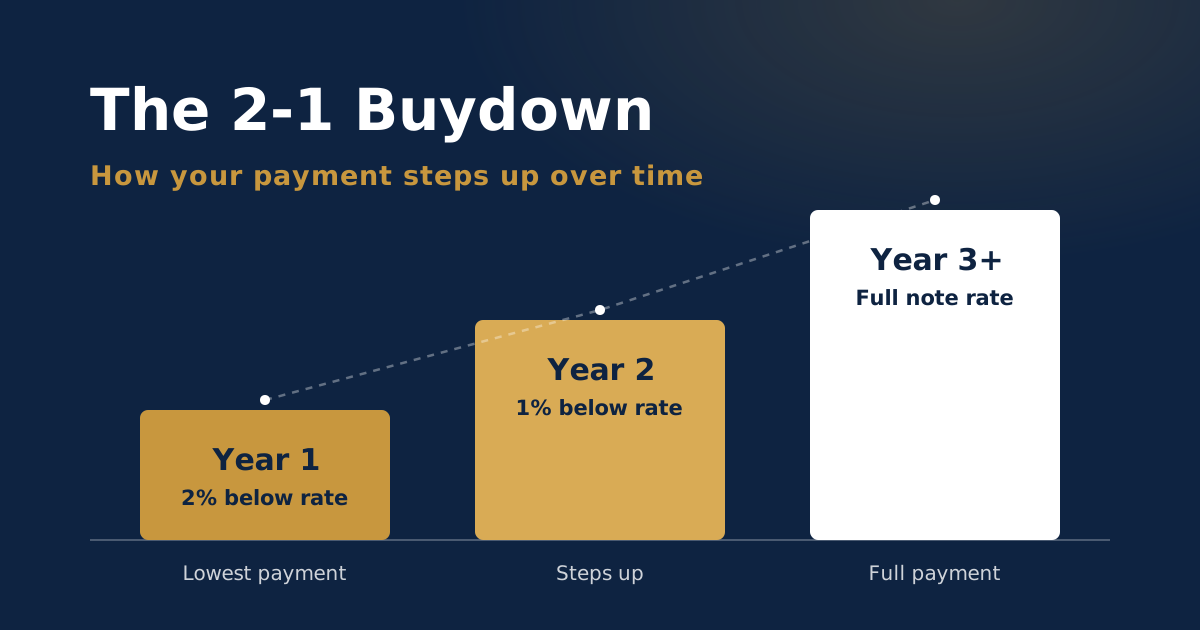
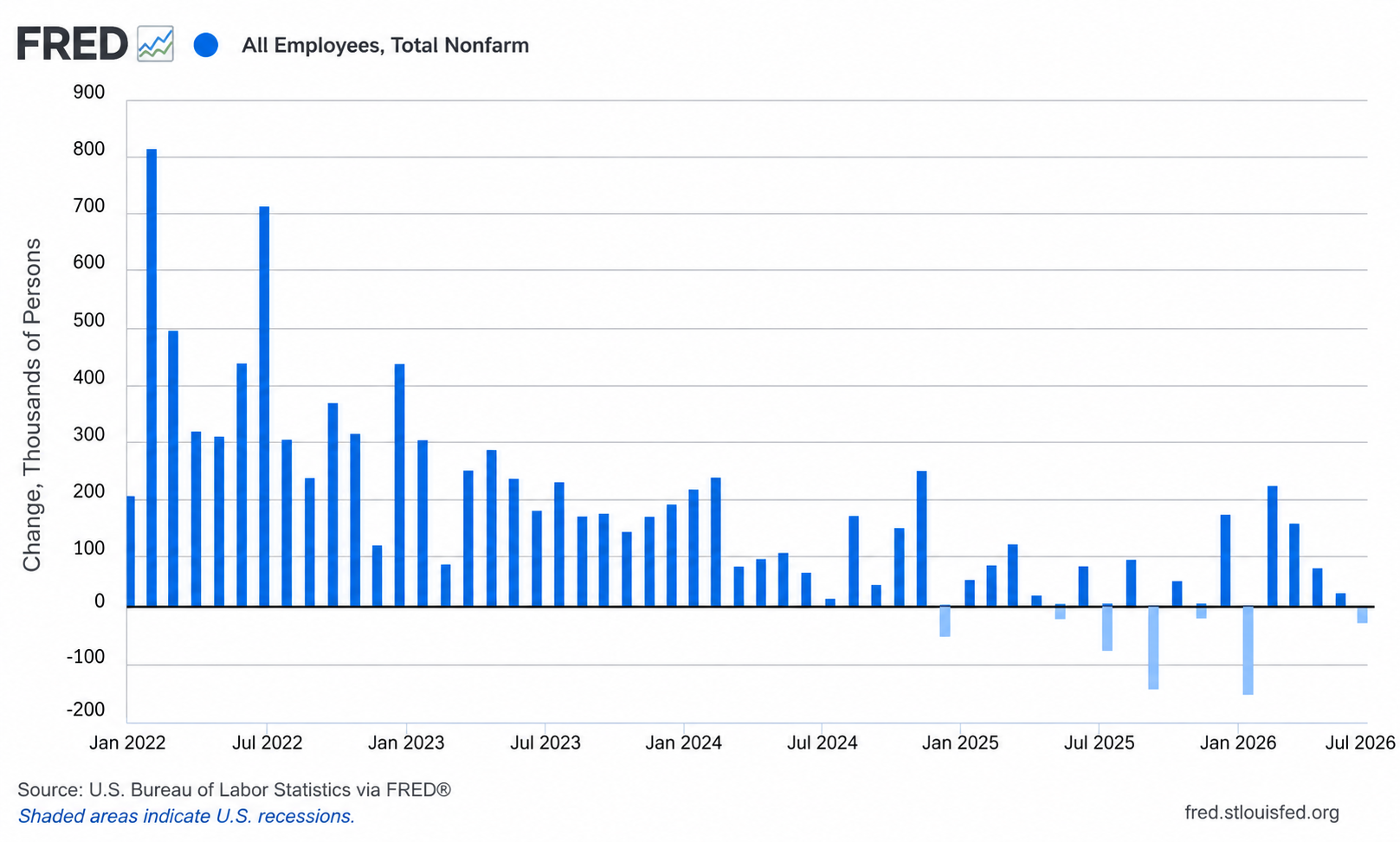
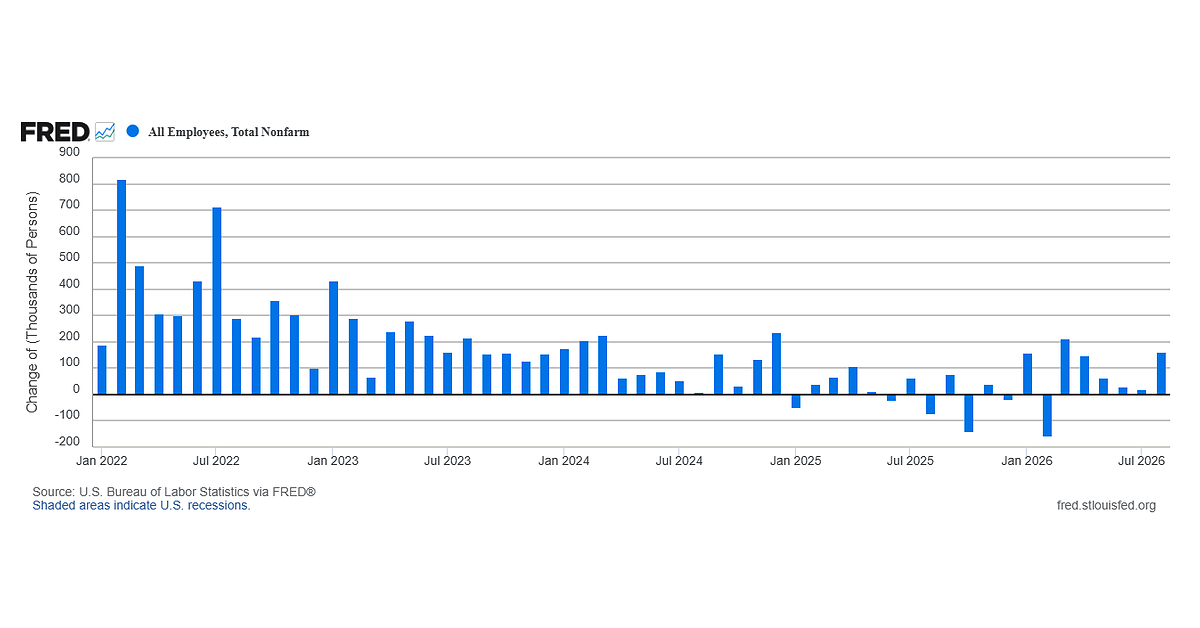
After a weak summer for hiring, the job market just came roaring back — and for anyone watching mortgage rates, the reaction might not be the one you'd expect. Here's why strong economic news can actually push rates the wrong way for buyers. The Headline: A Big Beat The August jobs report showed the U.S. economy added 162,000 jobs — nearly triple the roughly 55,000 economists had forecast. Unemployment held steady at 4.1%, and wages rose 0.3% on the month. One caveat: these monthly numbers are volatile and get revised. The steadier read is the three-month average, running around 71,000 jobs a month — not a booming economy, but a solid, resilient one. And "solid and resilient" is exactly what changes the Fed's calculus. On its face, that's good news for the economy — more people working, hiring bouncing back, the labor market looking healthier than the summer's gloom suggested. But "good for the economy" and "good for mortgage rates" are often two very different things, and this is one of those times. Why a Strong Jobs Report Can Push Rates Up Here's the counterintuitive part that trips people up. Mortgage rates don't track the health of the job market directly — they track the bond market and, above all, expectations about what the Federal Reserve will do. And a strong jobs report shifts those expectations in a direction that tends to lift rates. The logic: when the economy looks weak, investors expect the Fed to cut rates, and mortgage rates ease in anticipation. When it looks strong — like it just did — that flips. A solid labor market gives the Fed less reason to cut and more room to stay tight, or even hike to keep inflation in check. Bond yields rise on that expectation, and mortgage rates follow. And that's exactly what played out. Right after the report, the 10-year Treasury yield — the benchmark mortgage rates track most closely — pushed higher, toward its highest levels in well over a year. At the same time, the market's estimate of the odds that the Fed raises rates at its September meeting climbed to roughly two-thirds, up sharply from around a third just a couple of weeks earlier. A solid labor market took a rate cut off the table and put a hike squarely on it. So the same report that's reassuring for job seekers can be a headwind for buyers watching rates. It's one of the genuine oddities of this market: sometimes softer economic news is what buyers are quietly rooting for. Not sure what today's market means for your plans? Rates move on news like this, and nobody can promise where they head next. But I can help you understand your real options right now — including a free float-down if rates drop after you lock. Let's run your numbers. Book a free 15-minute call → The Timing Makes This One Matter More This report carries extra weight because of when it landed. It's the last jobs report the Federal Reserve will see before its meeting in mid-September, where it decides its next move on interest rates. Some Fed officials have already been openly arguing for a rate hike to fight stubborn inflation. A strong labor market hands those hawks more ammunition — it's harder to justify cutting rates when the economy is adding jobs at nearly triple the expected pace. Mortgage rates were already sitting near their highest level in over a year heading into this report. A strong number doesn't help that picture — it removes one of the arguments for rates falling, right before a pivotal decision. But the jobs report isn't the last word. Fed officials have signaled they want to see the upcoming inflation data — the CPI reading due in the days before the meeting — before deciding between a hike and a hold. That inflation print is really the deciding input now. And lurking behind it is oil: energy prices have been climbing on tensions in the Middle East, and higher oil feeds directly into inflation, which pushes yields and rates up. The flip side is the one piece of good news for rate-watchers — if those geopolitical tensions ease and oil prices come back down, it would take pressure off inflation and, potentially, off rates. That's the wild card worth watching between now and the Fed meeting. What This Means If You're Buying or Refinancing Let me give you the honest read, because this is where buyers can talk themselves into a costly wait. Don't count on rates dropping soon. The stronger the economy looks, the less pressure there is on the Fed to ease, and the harder it is for rates to fall meaningfully. If your plan has been to sit on the sidelines until rates come down, this report is a reminder that the timing of that is genuinely uncertain — and you'd be paying rising home prices while you wait. Trying to time the exact bottom rarely works. Even the Fed doesn't know where rates go next. Buyers who wait for the "perfect" rate often miss the right house, and the house matters more than a fraction of a point on the rate — you marry the home and date the rate. If the numbers work today and you find the right place, that's usually a better position than holding out for a forecast nobody can promise. There are ways to manage the rate. Temporary buydowns, seller concessions to cover points, and adjustable options all exist precisely for markets like this. And a free rate float-down means if you lock now and rates fall before closing, you can still capture the lower rate — which takes some of the "what if I lock at the wrong time" worry off the table. The Bottom Line August's jobs report was a genuine rebound — the labor market looks a lot healthier than it did a month ago. But for buyers, strong economic news is a double-edged sword: it eases fears of a weakening economy while removing some of the pressure that could have pushed mortgage rates down, especially with a Fed decision looming. The smart move isn't to chase a rate forecast. It's to know your real numbers, understand your options, and be ready to act when the right home and a workable rate line up. If you want help figuring out what today's market means for your specific situation, that's exactly what I'm here for. Want to know what today's rates mean for your budget? Let's run your real numbers — what you'd qualify for, your payment, and how to protect yourself if rates keep moving. Free, no pressure. Book a free call → | Get a free rate quote → Nate Moghadam is a mortgage loan officer at Fairway Independent Mortgage Corporation, licensed in Massachusetts and 13 other states. NMLS #906770 | Company NMLS #2289. This content is for informational purposes only and does not constitute financial advice or a commitment to lend. Interest rates and market conditions are subject to change without notice. Rate and economic figures cited reflect data available on the date of writing and are not a quote or offer of credit; your rate depends on your individual circumstances. All loans subject to credit and property approval. Equal Housing Opportunity. Legal Disclosures.