Mortgage Tips, Rate Updates
& Homebuying Insights

Straight talk on mortgages from a loan officer who's done it for 10+ years.

The Fed Held Rates — But Three Members Wanted to Hike. What It Means for Mortgage Rates (July 2026)

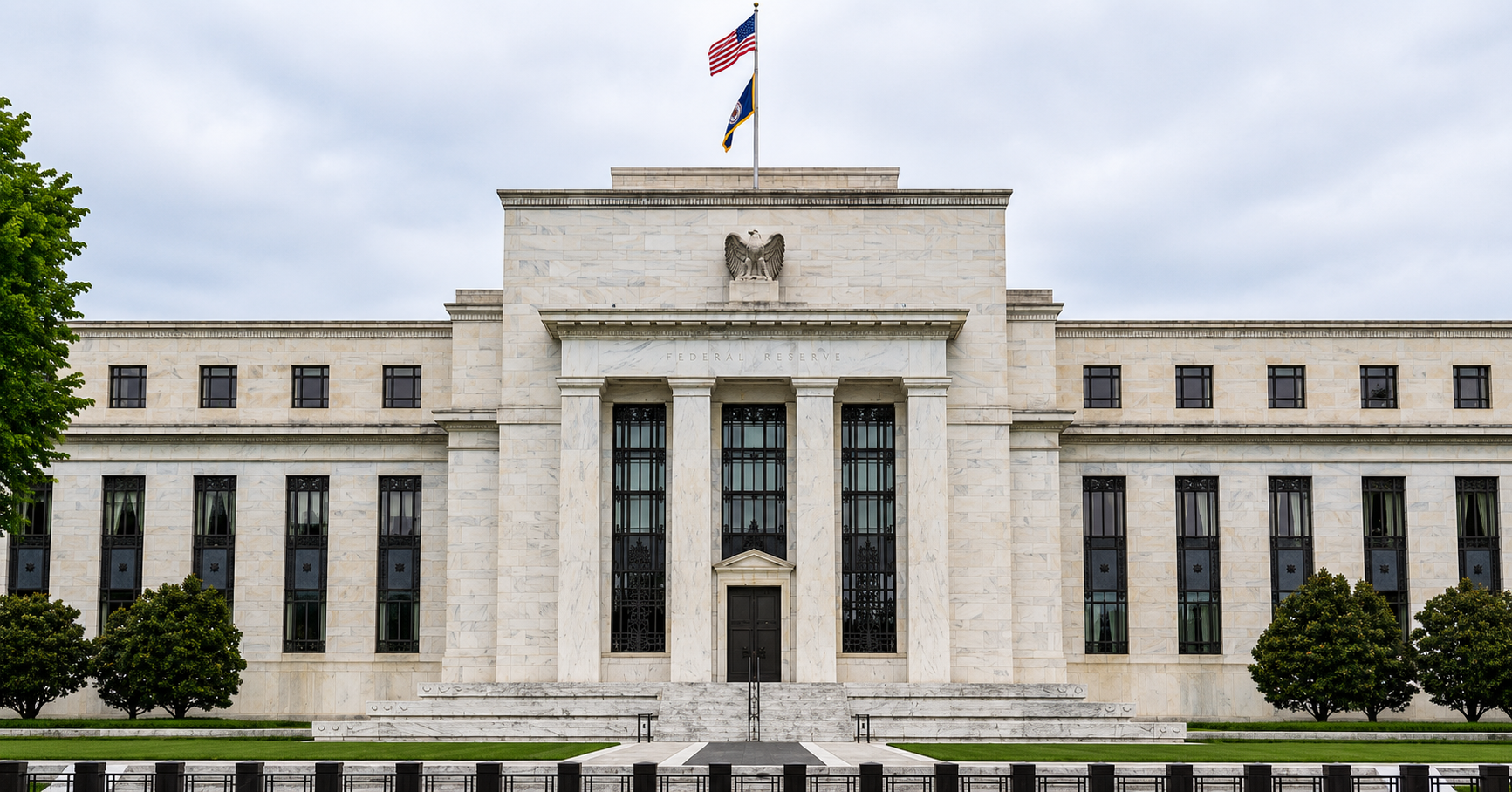
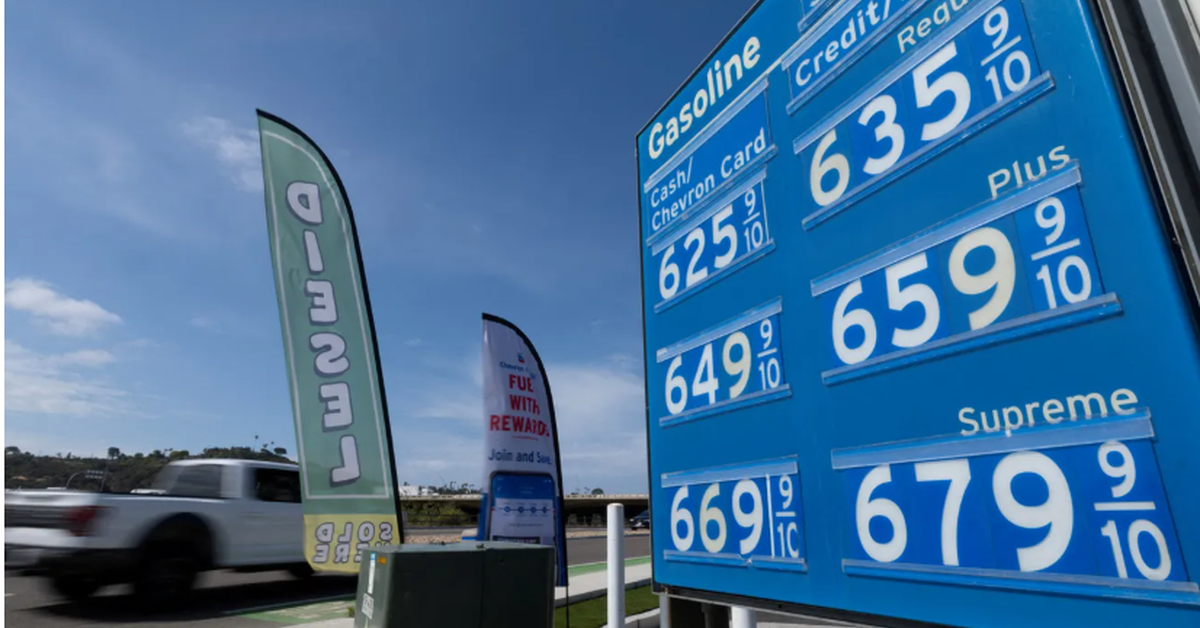
The Federal Reserve met this week, and if you're waiting for mortgage rates to fall before you buy or refinance, the news wasn't what you were hoping for. Here's what happened, in plain English, and what it actually means for your rate. What the Fed Did The Fed left its benchmark rate unchanged at a range of 3.5% to 3.75% — the move most people expected. But the headline isn't the hold. It's the split: three members of the committee voted to raise rates, the most dissents in favor of a hike since 2016. That direction matters. For most of the past year, the debate was about when the Fed would cut. This meeting flipped that script — the pressure inside the room right now is toward hiking, not cutting, because inflation is still running above the Fed's 2% target and a few officials want to act on it. Fed Chairman Kevin Warsh said the committee "will not hesitate to act" to bring inflation down, and pointedly declined to give any forward guidance about where rates go next. Why Mortgage Rates Actually Went Up Here's the part that trips people up every time: the Fed holding its rate steady did not keep mortgage rates steady. In fact, mortgage rates rose after the meeting. That's because mortgage rates don't track the Fed's benchmark rate directly. They track the bond market — specifically the 10-year Treasury yield. And after the Fed's hawkish tone and those three dissents, bond yields jumped: the 10-year climbed toward 4.7%, and the 30-year Treasury topped 5.2%, its highest level since 2007. When Treasury yields rise, mortgage rates follow. The average 30-year fixed is now hovering in the high-6% range, near a one-year high. So the takeaway isn't "the Fed held, so my rate is safe." It's the opposite: the market read the Fed as more willing to fight inflation, and rates ticked up in response. Trying to time your rate? I can't predict the market — nobody can — but I can help you understand your real options right now, including a free float-down if rates drop after you lock. Let's talk through your numbers. Book a free 15-minute call → The Inflation Report: Good News With an Asterisk The day after the Fed meeting, we got the June reading of the PCE index — the Fed's preferred inflation gauge. And on the surface, it was encouraging: headline inflation cooled to 3.7% year over year (down from 4.1%), and core inflation eased to 3.3%. But here's the asterisk, and it's a big one. That cooldown was driven almost entirely by falling gas prices — energy goods dropped 9.2% in June, the biggest monthly decline since 2022, during a brief ceasefire in the Middle East conflict. That ceasefire has since broken. Gas is back above $4 a gallon, and oil has climbed sharply in the second half of the month. In other words, the one genuinely good inflation number we got is already stale. Nearly every analyst reading it said the same thing: the June cooldown is likely a temporary blip, and inflation may well tick back up in the July and August reports as energy prices reverse. The Fed knows this too — which is exactly why three members are pushing to hike. What This Means If You're Buying or Refinancing Let me be straight with you, because this is where a lot of buyers make a costly mistake. Waiting for rates to drop is a weak bet right now. The Fed's next move might be a hike, not a cut. The one good inflation number is already undone by rising oil. And the market is pricing in more inflation risk, not less. Nobody can promise where rates go, but the current momentum is not in the "rates are about to fall" direction. If your plan is to sit on the sidelines until rates come down, you may be waiting a long time — and paying rising home prices while you wait. The house matters more than the rate. Here's the reframe I give clients: you marry the house, you date the rate. If you find the right home and the numbers work at today's rate, waiting for a hypothetical better rate can cost you the house — and you can always refinance later if rates fall. Meanwhile, if rates rise further, buying now looks smart in hindsight. There are ways to manage the rate risk. Rate buydowns, seller concessions to cover points, and adjustable-rate options all exist for a reason. And a free rate float-down means if you lock now and rates drop before closing, you can still capture the lower rate. The right move depends entirely on your situation — which is exactly the kind of thing worth talking through with someone before you decide. The Bottom Line The Fed held rates, but the tone turned hawkish, mortgage rates rose, and the one encouraging inflation number is already being reversed by rising oil prices. For anyone waiting on the sidelines for a big rate drop, the honest read is: don't count on it happening soon. That doesn't mean rush into a bad decision. It means make your decision based on the home, your budget, and the real numbers in front of you — not a rate forecast that even the Fed won't make. If you want help figuring out what today's market means for your specific plans, that's what I'm here for. Wondering what today's rates mean for your budget? Let's run your real numbers — what you'd qualify for, what your payment looks like, and how to protect yourself if rates move. Free, no pressure. Book a free call → | Get a free rate quote → Nate Moghadam is a mortgage loan officer at Fairway Independent Mortgage Corporation, licensed in Massachusetts and 13 other states. NMLS #906770 | Company NMLS #2289. This content is for informational purposes only and does not constitute financial advice or a commitment to lend. Interest rates and market conditions are subject to change without notice. Rate figures cited reflect national averages on the date of writing and are not a quote or offer of credit; your rate depends on your individual circumstances. All loans subject to credit and property approval. Equal Housing Opportunity. Legal Disclosures.
July 30, 2026

What Today's CPI Report Means for Mortgage Rates — June 10, 2026

This morning's May CPI inflation report came in hot — and if you're buying a home or trying to decide whether to lock a mortgage rate, here's what you need to know about what just happened and what it means for you. What the CPI Report Showed The Bureau of Labor Statistics reported this morning that the Consumer Price Index rose 0.5% in May on a monthly basis and 4.2% year-over-year — the highest annual inflation reading since 2023. Both numbers came in exactly in line with economist expectations. The one bright spot: core inflation — which strips out volatile food and energy prices — rose only 0.2% for the month, softer than the 0.3% consensus estimate, and 2.9% year-over-year. That suggests the inflation surge is being driven primarily by energy prices rather than broad-based price pressure throughout the economy. The headline number is still well above the Fed's 2% target. And it comes at a critical moment — the Federal Reserve meets next week, June 16-17, for the first meeting chaired by new Fed Chair Kevin Warsh. Why Rates Didn't Spike on the News Here's something worth noting: the 10-year Treasury yield barely moved after the report, sitting at 4.546% — essentially flat on the day. The national average 30-year fixed mortgage rate is currently around 6.67%, actually down slightly from Friday's close. Why didn't a hot inflation report push rates higher? A few reasons: The number was expected. Markets had already priced in a 4.2% reading. When data comes in exactly as forecast, there's no new information to react to. Core inflation was softer than expected. The 0.2% monthly core reading versus a 0.3% expectation gave the market a reason to breathe. It signals the inflation surge may be more energy-driven than structural. Much of this is already priced in. The rate market has been absorbing geopolitical risk, oil price spikes, and inflation concerns for weeks. Today's report confirmed the trend but didn't dramatically change it. The honest assessment: if mortgage spreads — the gap between the 10-year Treasury yield and the 30-year mortgage rate — were at their historical average rather than elevated levels, we'd easily be in the mid-7% range for mortgage rates right now. The fact that we're not is actually a relative positive for buyers. The Oil and Iran Factor Crude oil is up sharply today — WTI crude at $90.62, up 2.74%, and Brent at $93.70, up 2.46% — as Iran tensions continue to escalate. Oil prices are one of the primary drivers of headline inflation, which is why energy-driven CPI prints are being watched closely right now. The wildcard: if Iran tensions de-escalate meaningfully — a ceasefire, diplomatic agreement, or reduction in Strait of Hormuz supply disruption concerns — oil prices could fall sharply and take a significant portion of the inflation pressure with them. That scenario would be a meaningful positive for mortgage rates. Conversely, further escalation keeps oil elevated, keeps headline inflation hot, and keeps the Fed in a difficult position heading into their meeting next week. What the Fed Will Do The Federal Reserve is widely expected to hold rates steady at next week's June 16-17 meeting. Today's CPI report — while hot — was in line with expectations and doesn't change that calculus in the near term. What it does reinforce is the market's growing conviction that the next major Fed move will be a rate hike rather than a cut. Fed funds futures are currently pricing in a quarter-point raise at the December meeting. The combination of a strong labor market (172,000 jobs added in May) and inflation running at 4.2% gives the Fed little room to ease — and increasingly clear justification to tighten. For mortgage rates, a December rate hike is a relatively distant risk. The more immediate question is whether the 10-year Treasury yield — which drives mortgage rates more directly than the Fed funds rate — continues to drift higher as the market reprices for a longer period of elevated inflation. Not sure what today's rate environment means for your purchase? I'm watching the market in real time. Book a free call and I'll give you an honest read on where rates are and what your options look like right now. Book a free 15-minute call → What This Means for Buyers Right Now The immediate takeaway for buyers is actually more nuanced than the headline suggests. Yes, inflation is elevated. Yes, the Fed is leaning toward a hike before year-end. But today's rate reaction — essentially flat — suggests the market has largely absorbed this news already. A few things to keep in mind: Rates could still move in either direction from here. An Iran de-escalation or weaker consumer spending data could pull rates lower. Further oil price spikes or hotter-than-expected PPI data tomorrow could push them higher. The spread story is important context. At today's 10-year yield of 4.546%, mortgage rates "should" be closer to 6.0-6.25% based on historical spreads. They're at 6.67% because spreads are still elevated from post-2022 market stress. If spreads normalize, buyers benefit — without the Fed doing anything. Waiting for perfect rates remains a losing strategy. Buyers who've been waiting for rates to fall to 5% or 6% have watched home prices appreciate while they waited. The rate environment is what it is — the decision to buy should be based on your financial readiness and the right home, not a specific rate target. Should You Lock Today? If you're under contract and within 30-60 days of closing, today's data doesn't give you a strong reason to wait. Rates were essentially flat on the news, which means floating didn't cost you anything today — but the risk of rates moving higher on Thursday's PPI report or next week's Fed meeting is real. The best practice remains: lock with a float-down option if your lender offers it. That gives you rate protection against upside moves while preserving the ability to capture a lower rate if the market improves before closing. At Fairway, the float-down is available at no additional cost — which removes the typical trade-off between rate certainty and upside optionality. For a full framework on rate lock strategy, see when to lock your mortgage rate in 2026. And for context on last week's jobs report that set up today's inflation data, see what the May jobs report meant for mortgage rates. The Bottom Line May CPI at 4.2% is the highest inflation reading in three years — but the market already knew it was coming. Rates held steady because the data matched expectations and core inflation came in softer than feared. Oil prices and Iran tensions remain the biggest wildcard for where rates go from here. The Fed meets next week. PPI data drops tomorrow. Watch both. But don't let market uncertainty paralyze your homebuying decision — the buyers who win in this market are the ones who are prepared to move when the right home comes along, not the ones waiting for a rate environment that may never arrive. Want to talk through what this means for your specific situation? I work with buyers across Massachusetts and 13 other states and follow the market every day. Book a free call and I'll give you a straight answer. Book a free call → | Start my pre-approval → Nate Moghadam is a mortgage loan officer at Fairway Independent Mortgage Corporation, licensed in Massachusetts and 13 other states. NMLS #906770 | Company NMLS #2289. This content is intended for informational purposes only and does not constitute financial or investment advice. Mortgage rates change daily and vary based on individual borrower profiles and market conditions. This is not a commitment to lend. Contact a licensed loan officer to discuss your specific situation. Equal Housing Lender. Fairway Independent Mortgage Corporation Disclosures.

June 10, 2026

Ready to take the next step?

Talk to Nate directly — no forms, no call centers, no runaround.