Mortgage Tips, Rate Updates
& Homebuying Insights

Straight talk on mortgages from a loan officer who's done it for 10+ years.

The Fed Held Rates — But Three Members Wanted to Hike. What It Means for Mortgage Rates (July 2026)

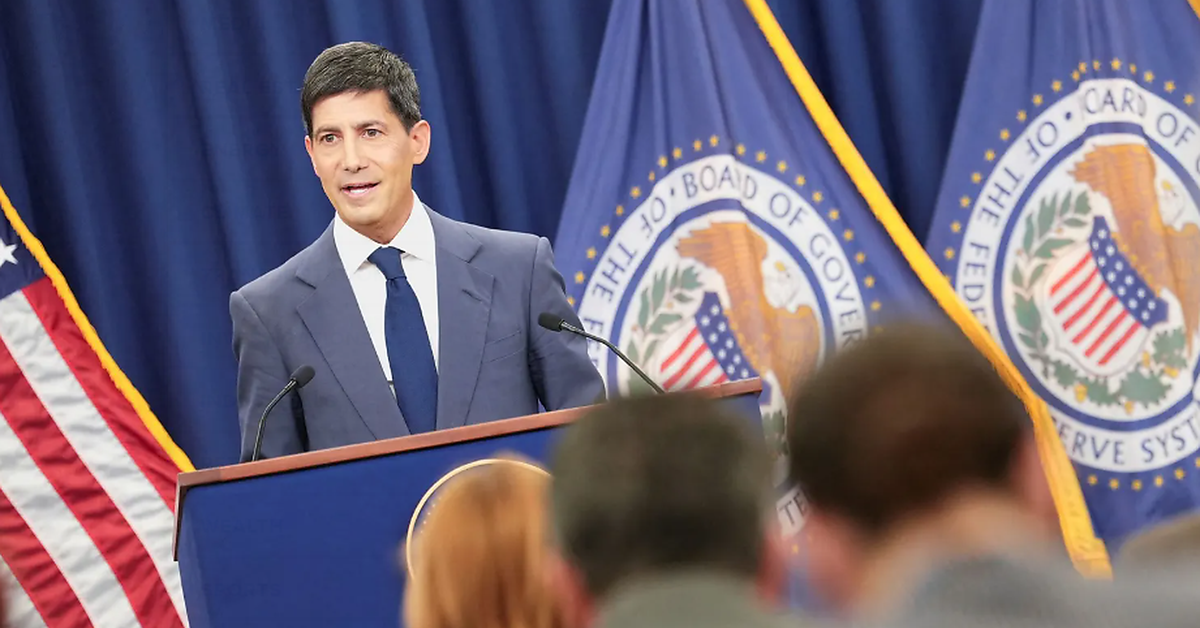
The Federal Reserve met this week, and if you're waiting for mortgage rates to fall before you buy or refinance, the news wasn't what you were hoping for. Here's what happened, in plain English, and what it actually means for your rate. What the Fed Did The Fed left its benchmark rate unchanged at a range of 3.5% to 3.75% — the move most people expected. But the headline isn't the hold. It's the split: three members of the committee voted to raise rates, the most dissents in favor of a hike since 2016. That direction matters. For most of the past year, the debate was about when the Fed would cut. This meeting flipped that script — the pressure inside the room right now is toward hiking, not cutting, because inflation is still running above the Fed's 2% target and a few officials want to act on it. Fed Chairman Kevin Warsh said the committee "will not hesitate to act" to bring inflation down, and pointedly declined to give any forward guidance about where rates go next. Why Mortgage Rates Actually Went Up Here's the part that trips people up every time: the Fed holding its rate steady did not keep mortgage rates steady. In fact, mortgage rates rose after the meeting. That's because mortgage rates don't track the Fed's benchmark rate directly. They track the bond market — specifically the 10-year Treasury yield. And after the Fed's hawkish tone and those three dissents, bond yields jumped: the 10-year climbed toward 4.7%, and the 30-year Treasury topped 5.2%, its highest level since 2007. When Treasury yields rise, mortgage rates follow. The average 30-year fixed is now hovering in the high-6% range, near a one-year high. So the takeaway isn't "the Fed held, so my rate is safe." It's the opposite: the market read the Fed as more willing to fight inflation, and rates ticked up in response. Trying to time your rate? I can't predict the market — nobody can — but I can help you understand your real options right now, including a free float-down if rates drop after you lock. Let's talk through your numbers. Book a free 15-minute call → The Inflation Report: Good News With an Asterisk The day after the Fed meeting, we got the June reading of the PCE index — the Fed's preferred inflation gauge. And on the surface, it was encouraging: headline inflation cooled to 3.7% year over year (down from 4.1%), and core inflation eased to 3.3%. But here's the asterisk, and it's a big one. That cooldown was driven almost entirely by falling gas prices — energy goods dropped 9.2% in June, the biggest monthly decline since 2022, during a brief ceasefire in the Middle East conflict. That ceasefire has since broken. Gas is back above $4 a gallon, and oil has climbed sharply in the second half of the month. In other words, the one genuinely good inflation number we got is already stale. Nearly every analyst reading it said the same thing: the June cooldown is likely a temporary blip, and inflation may well tick back up in the July and August reports as energy prices reverse. The Fed knows this too — which is exactly why three members are pushing to hike. What This Means If You're Buying or Refinancing Let me be straight with you, because this is where a lot of buyers make a costly mistake. Waiting for rates to drop is a weak bet right now. The Fed's next move might be a hike, not a cut. The one good inflation number is already undone by rising oil. And the market is pricing in more inflation risk, not less. Nobody can promise where rates go, but the current momentum is not in the "rates are about to fall" direction. If your plan is to sit on the sidelines until rates come down, you may be waiting a long time — and paying rising home prices while you wait. The house matters more than the rate. Here's the reframe I give clients: you marry the house, you date the rate. If you find the right home and the numbers work at today's rate, waiting for a hypothetical better rate can cost you the house — and you can always refinance later if rates fall. Meanwhile, if rates rise further, buying now looks smart in hindsight. There are ways to manage the rate risk. Rate buydowns, seller concessions to cover points, and adjustable-rate options all exist for a reason. And a free rate float-down means if you lock now and rates drop before closing, you can still capture the lower rate. The right move depends entirely on your situation — which is exactly the kind of thing worth talking through with someone before you decide. The Bottom Line The Fed held rates, but the tone turned hawkish, mortgage rates rose, and the one encouraging inflation number is already being reversed by rising oil prices. For anyone waiting on the sidelines for a big rate drop, the honest read is: don't count on it happening soon. That doesn't mean rush into a bad decision. It means make your decision based on the home, your budget, and the real numbers in front of you — not a rate forecast that even the Fed won't make. If you want help figuring out what today's market means for your specific plans, that's what I'm here for. Wondering what today's rates mean for your budget? Let's run your real numbers — what you'd qualify for, what your payment looks like, and how to protect yourself if rates move. Free, no pressure. Book a free call → | Get a free rate quote → Nate Moghadam is a mortgage loan officer at Fairway Independent Mortgage Corporation, licensed in Massachusetts and 13 other states. NMLS #906770 | Company NMLS #2289. This content is for informational purposes only and does not constitute financial advice or a commitment to lend. Interest rates and market conditions are subject to change without notice. Rate figures cited reflect national averages on the date of writing and are not a quote or offer of credit; your rate depends on your individual circumstances. All loans subject to credit and property approval. Equal Housing Opportunity. Legal Disclosures.
July 30, 2026

The Fed Held Rates Steady — But Signaled a Hike. What It Means for Mortgages (June 2026)

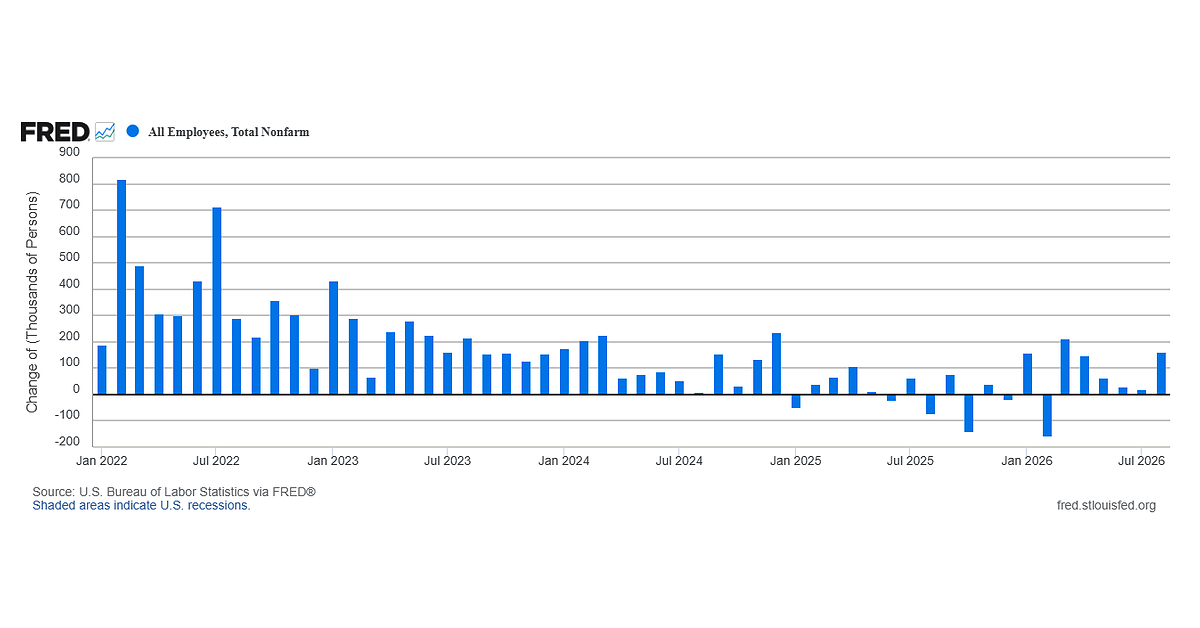
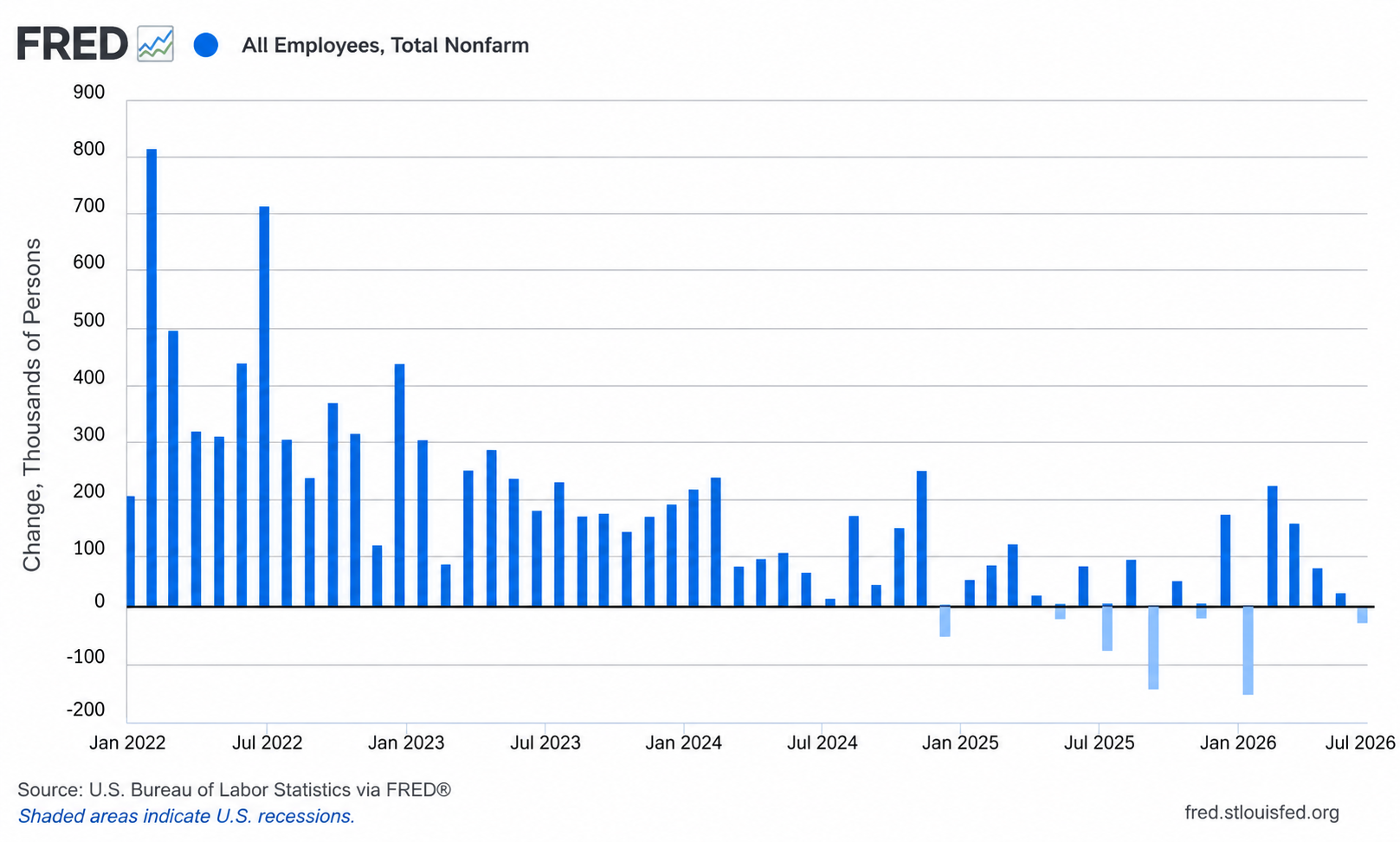
The Federal Reserve wrapped up its June meeting today — the first under new Fed Chair Kevin Warsh — and the outcome matters for anyone buying a home or watching mortgage rates. Here's what happened and what it means for you. What the Fed Did The Fed held its benchmark interest rate steady, keeping its target range at 3.5%–3.75% — the fourth meeting in a row without a change. No surprise there. With inflation running at its highest level in over three years, a cut was never on the table for this meeting. The bigger news was in the Fed's updated economic projections — specifically the "dot plot," which shows where individual committee members expect rates to go. And the signal was clear: the Fed's next move is now more likely to be a hike than a cut. Of the 18 officials who submitted forecasts, nine projected at least one rate hike this year — and six of those nine penciled in multiple hikes. Only one official projected a cut in 2026, and one participant (presumably Warsh himself) didn't submit a forecast at all. The median forecast now shows rates ending the year at 3.8% — up from 3.4% in the Fed's March projections. Even more telling: after the meeting, markets moved up their expected timing for a hike. CME FedWatch data showed traders now pricing in roughly a 60% chance of a rate increase as soon as October — whereas before this week, they didn't expect a hike until December. The updated dot plot suggested committee members now expect to raise rates by a quarter percentage point this year. That's a significant turnaround from just three months ago, when the median committee member was projecting a quarter-point cut in 2026. The combination of a strong labor market and inflation at 4.2% has flipped the script. Why the Shift? Two things changed the Fed's calculus since their March projections: Inflation flared. The Iran conflict that began in late February pushed oil and gas prices sharply higher, driving the Consumer Price Index to a 4.2% annual rate in May — the highest since 2023. The labor market stayed strong. The May jobs report came in at 172,000 jobs added, more than double expectations. A strong labor market gives the Fed room to fight inflation without worrying as much about tipping the economy into recession. Together, those two factors have pushed rate cuts off the table and put a hike squarely into the conversation. Kevin Warsh's First Press Conference This meeting was notable as the first under new Fed Chair Kevin Warsh, who succeeded Jerome Powell. Warsh struck a notably hawkish tone on inflation, emphasizing that price stability is the Fed's priority. In his most pointed comment, he said the Fed "will deliver price stability" and called the commitment "strong, unanimous, and unambiguous." On the Fed's 2% inflation target, Warsh was emphatic that it isn't going anywhere until it's achieved. Asked whether he'd reconsider the target, he said: "The 'two' is the left of the decimal point. For now, 'zero' is to the right." In other words — with inflation at 4.2%, the Fed isn't even close, and there's no discussion of changing the goalposts until they hit it. Warsh also announced a significant overhaul of how the Fed operates, establishing five task forces to examine the central bank's communications, balance sheet, data sources, productivity and jobs analysis, and inflation frameworks. He revamped the policy statement to be shorter and simpler, and pointedly abstained from submitting his own projection to the dot plot — consistent with his long-stated skepticism of forward guidance. For markets, that communication style means less hand-holding about future moves and more emphasis on a data-dependent, flexible approach. In practical terms, that can mean more rate volatility around economic data releases, since the Fed isn't telegraphing its next move as clearly as it did under Powell. Wondering what this means for your specific situation? I follow the market daily and can give you an honest read on where rates are and what your options look like right now. Book a free call. Book a free 15-minute call → What This Means for Mortgage Rates Here's the important nuance most headlines miss: the Fed's benchmark rate doesn't directly set mortgage rates. Mortgage rates track the 10-year Treasury yield, which moves based on the bond market's expectations for inflation and growth — not the Fed funds rate itself. So while the Fed signaling a potential hike sounds alarming, the mortgage market reaction was relatively contained. The 30-year fixed rate has been hovering around 6.52%, just shy of 2026's high. On the day of the decision, the 2-year Treasury — which closely tracks Fed expectations — jumped about 11 to 14 basis points to near its highest level in over a year, while the 10-year (which drives mortgage rates) rose more modestly, up around 4 basis points to 4.469%. There was also a genuinely positive development working in the other direction this week: the U.S. and Iran reached an agreement to de-escalate, which sent oil prices lower earlier in the week and eased some of the energy-driven inflation fears. That pulled the 10-year down before the meeting — acting as a counterweight to the Fed's hawkish signal. The net result is a tug-of-war: a hawkish Fed pushing rates one way, easing oil prices pulling the other. The net effect: crosscurrents. A hawkish Fed pushing one direction, an Iran de-escalation pulling the other. That's why nobody can tell you with certainty where rates go from here. What Buyers Should Actually Do The practical takeaway hasn't changed much from the broader rate environment we've been in: If you're under contract and close to closing — locking makes sense. With the Fed signaling a potential hike and rate volatility likely to increase under Warsh's less-telegraphed communication style, the downside risk of floating is real. Lock with a float-down option if your lender offers one — at Fairway, the float-down is available at no additional cost, which means you're protected if rates rise but can still capture a lower rate if the Iran de-escalation pulls rates down before closing. If you're still shopping — don't let the Fed headline scare you out of the market. A potential quarter-point Fed move later this year changes your monthly payment far less than most buyers assume, and the bigger driver — the 10-year Treasury — is being pulled in two directions right now. Buying decisions should be based on your financial readiness and finding the right home, not on trying to time a Fed meeting. For a full framework on rate lock strategy, see when to lock your mortgage rate in 2026. The Bottom Line The Fed held rates steady in Kevin Warsh's first meeting but signaled its next move could be a hike — a clear shift from the rate-cut expectations of just a few months ago. Inflation at 4.2% and a strong labor market are driving that hawkish turn. For mortgage rates, the picture is more balanced than the headline suggests. The hawkish Fed is one force; the Iran de-escalation and falling oil prices are pulling the other way. The result is a market with no clear direction — which is exactly why locking with a float-down remains the smartest play for buyers who are ready to move. Don't try to time it perfectly. Focus on what you can control: your credit, your down payment, your loan structure, and being ready to act when the right home comes along. Want a straight read on what to do with your rate right now? I work with buyers across Massachusetts and 13 other states and watch the market every day. Book a free call and I'll give you an honest answer based on your situation. Book a free call → | Start my pre-approval → Nate Moghadam is a mortgage loan officer at Fairway Independent Mortgage Corporation, licensed in Massachusetts and 13 other states. NMLS #906770 | Company NMLS #2289. This content is intended for informational purposes only and does not constitute financial or investment advice. Mortgage rates change daily and vary based on individual borrower profiles and market conditions. This is not a commitment to lend. Contact a licensed loan officer to discuss your specific situation. Equal Housing Lender. Fairway Independent Mortgage Corporation Disclosures.

June 17, 2026

Ready to take the next step?

Talk to Nate directly — no forms, no call centers, no runaround.