If you’re looking into buying a home in Massachusetts, FHA loans usually come up early.
They’re often positioned as the “first-time homebuyer loan.”
That’s not really what they are.
FHA is a loan program designed for buyers who need more flexibility, whether that’s due to credit score, debt levels, or down payment.
So what does it actually take to qualify in 2026?
Minimum Credit Score
FHA allows lower credit scores than conventional loans.
- 580+ → 3.5% down
- 500–579 → 10% down
In reality, most lenders want to see at least a 580, and many buyers fall into the 600+ range.
Your credit score also impacts how competitive your overall loan terms are, even within FHA.
Down Payment Requirements
FHA requires a minimum of 3.5% down.
On a $500,000 purchase, that’s $17,500.
That’s one of the main reasons FHA is popular, especially for buyers who haven’t had years to save a large down payment.
Debt-to-Income Ratio (DTI)
This is where FHA stands out.
- Front-end ratio (housing): up to 46.99%
- Back-end ratio (total debt): up to 56.99%
That’s more flexible than most conventional loans.
In some cases, this allows buyers to qualify for a home they wouldn’t be able to with conventional financing.
But just because you can go that high doesn’t mean you should.
Higher DTI levels can create pressure on your monthly budget, especially in a high-cost state like Massachusetts.
Mortgage Insurance (Important)
FHA loans have two types of mortgage insurance:
Upfront Mortgage Insurance Premium (UFMIP)
- 1.75% of the loan amount
- Usually rolled into the loan
On a $400,000 loan, that’s $7,000 added to your balance.
Monthly Mortgage Insurance
- Typically around 0.5% annually
- Paid monthly as part of your payment
In most cases, FHA mortgage insurance stays for the life of the loan unless you refinance.
This is one of the biggest long-term costs of FHA.
Income and Employment
FHA is more flexible with income than conventional loans.
But income still needs to be:
- stable
- consistent
- properly documented
If you’re self-employed, you typically need a two-year history to use that income.
If not, you may qualify using only one borrower’s income, which can impact your buying power.
Loan Limits in Massachusetts
FHA loan limits vary by county.
Massachusetts is considered a higher-cost area, so limits are higher than the national baseline.
In many counties, FHA loan limits are in the mid-to-high $700,000 range for single-family homes.
Multi-family properties have even higher limits.
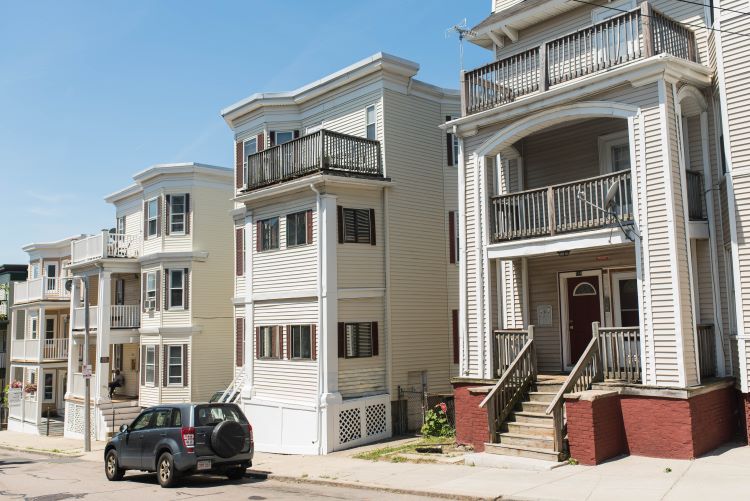
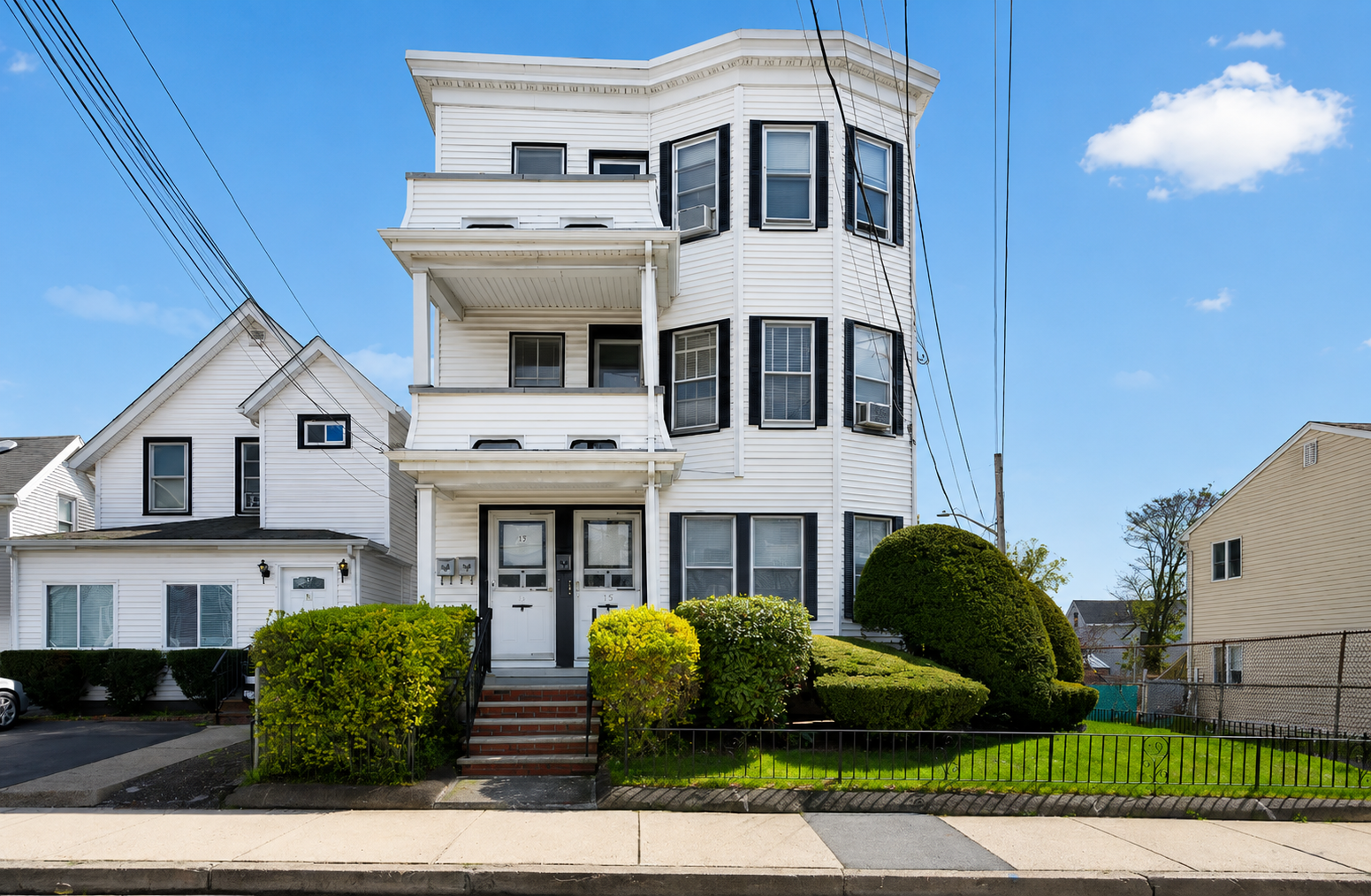
FHA for Multi-Family Homes
FHA allows you to buy up to a 4-unit property with just 3.5% down, as long as you live in one of the units.
This is one of the most powerful strategies available to buyers.
But there’s a catch.
The Self-Sufficiency Test
FHA requires that 75% of the rental income from the property is enough to cover the mortgage payment.
In higher-priced markets like Boston and surrounding areas, this can be difficult to meet.
So while FHA is flexible, multi-family purchases still need to be structured carefully.
When FHA Makes Sense
FHA can be a strong option if:
- your credit score is lower
- your debt-to-income ratio is higher
- you need a lower down payment
- you’re buying a multi-family property
When FHA Might Not Be the Best Option
If you have stronger credit and a solid financial profile, conventional loans:
- avoid the upfront 1.75% fee
- may offer lower monthly mortgage insurance
- allow you to remove PMI over time
This is something we break down more in the FHA vs Conventional comparison.
Bottom line
FHA loans are not just for first-time buyers.
They’re a flexible tool designed to help buyers qualify when conventional financing may not work.
But that flexibility comes with trade-offs, especially when it comes to long-term cost.
The right loan depends on your full financial picture, not just what you qualify for.
If you’re not sure if FHA is right for you
This is one of those situations where the details matter.
At Nateloans, we look at both FHA and conventional side by side so you can see exactly what makes the most sense based on your numbers.
If FHA is the better option, we’ll show you why. If it’s not, we’ll walk you through the alternatives.
Whenever you’re ready, you can get started here and we’ll go through everything step by step.

10+ years helping buyers, homeowners, and real estate agents navigate the mortgage process across 14 states.